West Dulwich man and van guide for tight access moves
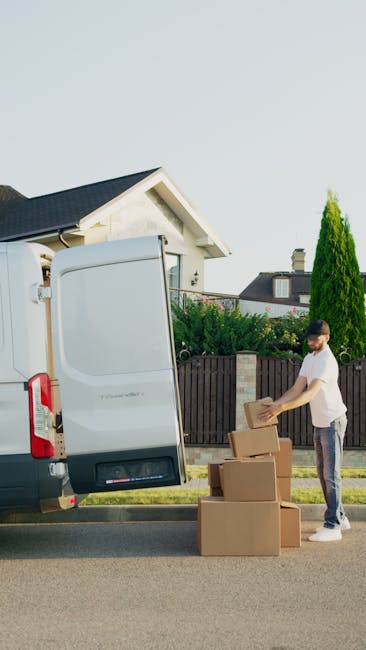
If you are facing a move in West Dulwich and the access is awkward, narrow, or just plain fiddly, you are not alone. A lot of local moves involve short driveways, tight stairwells, shared entrances, parked cars, basement flats, or front doors that seem to have been designed by someone who never owned a sofa. This West Dulwich man and van guide for tight access moves is here to make the whole thing feel more manageable, less stressful, and a lot more practical.
The good news? Tight access does not automatically mean a difficult move. With the right planning, the right vehicle, and a crew that knows how to work around the realities of London streets and older housing layouts, you can usually keep things moving smoothly. In this guide, we will look at what tight access really means, how a man and van service handles it, what to prepare beforehand, and which mistakes are most likely to create problems on the day. A little preparation goes a long way. Really, it does.
Why West Dulwich man and van guide for tight access moves Matters
Tight access moves are common in West Dulwich because the area mixes period homes, converted flats, terraced streets, and properties where parking can be a bit of a puzzle. If you have ever tried to carry a wardrobe through a narrow hallway while a neighbour's car sits close to the kerb and someone is asking if the van can "just squeeze a bit nearer," you will know the feeling. It is not ideal, but it is very normal.
That is why a man and van approach can work so well. It gives you flexibility. You can often use a smaller vehicle, plan a more precise loading order, and move the load in stages if needed. For a one-bedroom flat, student move, or partial furniture move, that can be the difference between a calm move and a day full of improvised problem-solving.
The thing people often miss is that access challenges are not just about distance. They include door widths, stair turns, lift size, floor protection, loading restrictions, timing, and whether there is anywhere sensible to stop the van for even a few minutes. In a place like West Dulwich, those details matter. A good mover will ask about them early instead of finding out when the sofa is already halfway out the door.
Practical takeaway: if access is tight, the best move is almost always the one planned around the property, not the one that simply assumes the van can park outside the front door.
How West Dulwich man and van guide for tight access moves Works
In simple terms, a man and van service uses a smaller, more flexible removal setup than a full-scale removals team. One or two movers arrive with a van suited to the job, load your items carefully, transport them, and unload them at the destination. For tight access moves, the process is adapted to reduce wasted time, minimise damage, and keep lifting safe and controlled.
Here is how it usually works in practice:
- Access is assessed first. The mover will ask about steps, parking, lift access, access codes, and whether there are any awkward turns or low ceilings.
- The right van size is chosen. A smaller van may be better for narrow streets or limited stopping space, while still leaving enough room for furniture and boxes.
- The load order is planned. Heavier items go in first, then boxed items, then fragile pieces and anything that needs careful handling.
- The route through the property is checked. This includes door frames, stair landings, shared hallways, and anything else that could snag a bulky item.
- Loading and unloading happen in a steady flow. The team may work in shorter trips if parking is awkward or access is limited.
In our experience, the jobs that go most smoothly are the ones where the customer gives clear, specific information ahead of time. Not "the entrance is a bit tight," but "there are six steps to the front door, a narrow staircase, and no space for a long van to wait directly outside." That sort of detail helps everyone.
If your move is part of a broader relocation, you may also want to look at the full range of removal services offered, especially if you need packing help, short-term storage, or a larger house move handled alongside the tight access work.
Key Benefits and Practical Advantages
There are a few reasons people choose a man and van for awkward-access moves instead of automatically booking a larger removal team. To be fair, it is not always the "cheapest" option on paper, but the value can be excellent once you factor in the access limitations.
- More manoeuvrable vehicles: smaller vans are easier to position on narrow roads and in tighter loading spots.
- Better fit for compact moves: ideal for flats, single rooms, part-loads, and furniture-only jobs.
- Less handling time: if the vehicle can park closer to the entrance, the team spends less time carrying items back and forth.
- Flexible scheduling: useful when you have a short window, a building slot, or limited parking access.
- Reduced disruption: less time blocking shared entrances or communal paths is always a plus.
- Lower risk of damage: experienced movers can be more deliberate with awkward items and tight corners.
The biggest advantage, though, is adaptability. A flexible moving setup can respond to real-life conditions. One minute the lift is available; the next, it is stuck between floors. One street allows short loading only, the next has a parked delivery van in the exact spot you hoped for. Life happens. Good movers adjust.
If you are moving out of a flat with a narrow stairwell, you may find the specific support described in flat removals in Dulwich especially relevant, because flat moves often bring the same access issues again and again.
Who This Is For and When It Makes Sense
This kind of service makes sense for anyone who needs practical moving help without the size and cost of a full house removals operation. It is particularly useful if your property layout is awkward, your item list is moderate, or you simply need someone who can think on their feet.
Typical situations include:
- West Dulwich flats with stair-only access
- Basement or top-floor apartments
- Terraced houses with tight hallways
- Shared homes where access times are restricted
- Student moves with limited furniture
- Single-item or small furniture moves
- Short-notice relocations where speed matters
- Moves involving a piano, heavy cabinet, or oversized item
It also suits people who are not moving everything at once. Maybe you are shifting some essentials now and storing the rest later. In that case, a service that can coordinate with storage options may be a useful part of the plan.
And yes, it can be a very smart choice for landlords, tenants, homeowners, students, and small business owners alike. The shared theme is the same: you need a move that respects the limitations of the property instead of fighting them.
Step-by-Step Guidance
Here is the most practical way to approach a tight access move in West Dulwich. Keep it simple, but do not skip the details. It is usually the small things that make the biggest difference.
- Walk the route from the van to the room. Measure any narrow points, turns, stairwells, and doorways. If a large item has to pivot awkwardly, note that early.
- Check parking realistically. Where can the van stop? For how long? Will a bay, permit, or short waiting window be needed?
- Make a list of your difficult items. Sofas, beds, wardrobes, washing machines, and pianos often need special handling.
- Book the service with honest detail. Tell the mover what the access is really like. If there is a basement flight of stairs, say so. Nobody benefits from surprises.
- Prepare the property. Clear hallways, move loose rugs, protect corners if needed, and keep pathways open.
- Pack strategically. Label boxes by room and weight. Heavy boxes should stay manageable. That sounds obvious, but it gets ignored a lot.
- Keep essentials separate. Documents, chargers, medication, keys, and a kettle if you are the kind of person who needs tea after moving. Fair enough.
- Stay available during the move. A quick answer to "does this go upstairs or stay downstairs?" can save a surprising amount of time.
For packing support, it can help to use a packing and boxes service or at least make sure your own materials are strong enough for repeated handling through narrow spaces. Thin cardboard and overfilled boxes become a problem fast.
Expert Tips for Better Results
Here is where a little real-world judgement pays off. Tight access moves are not about brute force. They are about reducing friction, literally and figuratively.
1. Measure the awkward bits, not just the obvious ones
People often measure the sofa and the doorway, then forget the landing turn or the handrail that steals a few inches. That is where the trouble starts. Measure the narrowest point in the whole path, not just the entrance.
2. Protect the route before anything is moved
A few blankets, cardboard sheets, or floor protectors can save a lot of worry. You do not want to hear that hollow scrape on a painted wall. Nobody does.
3. Prioritise the heaviest item first
When the van has limited space, load the toughest items in the right order. This keeps the move efficient and helps prevent damage from repeated repositioning.
4. Use a realistic time window
If access is tight, allow extra time. The move may still be quick, but tight spaces rarely reward overconfidence. Ten extra minutes at the start can save half an hour later.
5. Keep communication simple on the day
Short, clear instructions work better than long explanations. "That chair goes downstairs first" is a lot more useful than a full backstory at the front door.
If the move involves something unusually delicate, such as a grand or upright instrument, specialised handling matters even more. That is where piano removals in Dulwich may be the better fit than a general move. Heavy, precious, awkward items deserve specialist care. No drama, just common sense.
Common Mistakes to Avoid
A lot of tight access issues come down to planning errors rather than the access itself. The good news is that most of them are avoidable.
- Underestimating the size of the item: a wardrobe that "should fit" is not the same as one that definitely fits.
- Forgetting about parking distance: ten extra metres feels minor until you are carrying a washing machine across it.
- Not mentioning stairs or lifts: if the mover does not know, they cannot plan properly.
- Overpacking boxes: heavy, unbalanced boxes are harder to move safely through tight spaces.
- Leaving hallways cluttered: shoes, prams, bike racks, and random storage items all get in the way.
- Assuming every van can park anywhere: London streets do not work like that, as you probably know already.
- Booking a service that is too large for the job: you may end up paying for capacity you do not need.
The most common mistake, though, is a simple one: not telling the truth about the access. Maybe it feels awkward to admit the stairs are steep or the driveway is unusable. But honesty makes the move better, and it usually keeps the quote more accurate too.
Tools, Resources and Recommendations
You do not need a huge kit to make a tight access move work. A few practical items can make life easier, safer, and less chaotic.
| Tool or item | Why it helps | Best used for |
|---|---|---|
| Heavy-duty boxes | Hold weight better during lifting and stacking | Books, kitchenware, and mixed household items |
| Furniture blankets | Protects surfaces from scuffs and knocks | Sofas, tables, wardrobes, and door frames |
| Trolley or sack truck | Reduces strain on straight runs and short distances | White goods, boxes, and heavy parcels |
| Stretch wrap | Keeps drawers and loose parts secure | Chest of drawers, cabinet doors, shelving |
| Corner protectors | Helps reduce impact in narrow hallways | Painted corners and tight stair turns |
| Labels and tape | Makes unloading quicker and more orderly | Room-by-room sorting and fragile items |
It is also worth thinking about whether you need a broader moving service rather than just the van and lifting help. If you are combining packing, transport, and a full property move, house removals in Dulwich may be more appropriate. On the other hand, if you only need help with a few items or a staged move, a man with a van in Dulwich can be the leaner option.
You can also review the provider's wider approach through their about us information if you want a better sense of working style, and insurance and safety details if risk management matters to you, which it should.
Law, Compliance, Standards, or Best Practice
For a move like this, there is not usually a special legal rule that only applies to West Dulwich. But there are still practical standards and responsibilities worth taking seriously. In the UK, movers should work safely, manage loading sensibly, and avoid reckless handling that could injure people or damage property. That is the baseline, really.
Best practice usually includes:
- clear communication about access restrictions
- safe manual handling for heavy or awkward items
- respect for shared areas, neighbours, and building rules
- appropriate protection for floors, walls, and furniture
- honest pricing based on the actual job, not a vague guess
If a property has communal entrances, parking restrictions, or timed access, you should plan ahead and follow the building's practical rules. That might mean booking a slot, arranging a permit, or simply choosing a quieter time of day. A sensible mover will factor this in rather than winging it.
It is also wise to check whether the company explains its terms, payment process, and complaint route clearly. That does not sound exciting, admittedly, but it is part of being a trustworthy operator. You can usually get a feel for that through pages like terms and conditions, payment and security, and complaints procedure. Not glamorous. Still important.
Options, Methods, or Comparison Table
Not every move needs the same setup. The best choice depends on how much you are moving, how tight the access is, and how much lifting support you want.
| Option | Best for | Why it works | Watch out for |
|---|---|---|---|
| Man and van | Small to medium moves, single rooms, part-loads | Flexible, easier to park, good for awkward access | May not suit very large or complex moves |
| Full removals team | Large homes, multiple rooms, heavier inventory | More manpower and capacity | Can be less nimble in restricted streets |
| Self-move with hired van | Very small loads and confident movers | Potentially lower direct cost | More stress, more lifting, more risk |
| Staged move with storage | Homes being decluttered or renovated | Breaks the move into manageable parts | Requires more coordination |
For many West Dulwich households, the man and van approach is the sweet spot. It gives you enough support to avoid a DIY headache, but not so much vehicle bulk that access becomes the enemy. That said, if you are moving a full family home, removals in Dulwich may offer a more suitable level of support.
Case Study or Real-World Example
Here is a realistic example, without turning it into a fairy tale. A couple moved from a first-floor flat in West Dulwich into a terraced property nearby. The staircase at the flat was narrow and turned sharply at the top. Outside, parking was limited to a short stretch close to the junction, and the van could not sit directly outside for long.
Instead of trying to force a large vehicle into the job, they booked a smaller man and van service and described the access in detail. On the day, the movers parked a little further away, used protective wraps on the bulky furniture, and moved the load in a careful sequence: boxes first, then dismantled bed parts, then the sofa, then the awkward mirror. A bit of planning, a bit of patience, and no one had to reverse a giant van into a street where it clearly did not belong.
The result was not dramatic. Which is exactly the point. The best moves often look boring from the outside. Everything arrives in good condition, the hallway stays intact, and the only thing left is the inevitable box of cables you swear you will sort out later. We all have one.
Practical Checklist
Use this before moving day. It will save you from the classic last-minute scramble.
- Measure the narrowest doorway, stair turn, and landing on the route
- Check where the van can safely stop and for how long
- Tell the mover about stairs, lifts, gates, intercoms, or restricted access
- List any heavy, fragile, or unusually shaped items
- Declutter before the move so less needs to be carried
- Pack boxes so they are firm, sealed, and not overfilled
- Label boxes by room and priority
- Protect floors, walls, and corners where needed
- Keep keys, documents, chargers, and essentials in one easy-to-find bag
- Confirm the booking, timing, and payment details in advance
- Give yourself a buffer if parking or building access is uncertain
- Have a backup plan for wet weather, because London weather likes a bit of theatre
If you want a broader helping hand with packing materials too, the dedicated package and boxes service can be a useful support layer before move day.
Conclusion
West Dulwich tight access moves are not something to fear. They just need a bit more thought, a bit more honesty, and the right kind of moving support. When you choose a flexible man and van service, plan the route, pack sensibly, and explain the access clearly, you make the whole job easier for everyone involved. That is true whether you are moving a few boxes, a flat's worth of furniture, or one item that is somehow both huge and precious at the same time.
Let's face it: awkward access can be annoying, but it is rarely impossible. The smoother moves are usually the ones where someone took five minutes to notice the narrow stairwell, the parking squeeze, or the item that needs two people and a steady breath. Small effort. Big payoff.
Get a free quote today and see how much you can save.
And if you are still in the planning stage, take your time, ask the awkward questions now, and breathe a little easier later. A well-handled move has a calm sort of feeling to it, even when the hallway is narrow and the van is parked three doors down.
Frequently Asked Questions
What is considered tight access for a move in West Dulwich?
Tight access usually means there is limited room for parking, narrow hallways, steep stairs, small lifts, awkward turns, or a long carry from the van to the property. In practice, it is anything that makes moving furniture less straightforward than a normal straight-in load.
Can a man and van service handle a flat with no lift?
Yes, often it can. Many man and van services are well suited to stair-only properties, especially when the load is moderate. The key is being upfront about the number of flights, the width of the stairs, and any bulky items that may need extra care.
How do I know if I need a smaller van?
If the street is tight, parking is limited, or the access road is awkward, a smaller van may be the better choice. It is usually the smarter option when the move is about flexibility rather than maximum volume. A provider can help assess this once you explain the access properly.
Should I dismantle furniture before a tight access move?
If an item is large or awkward, dismantling it usually helps a lot. Sofas, bed frames, and some wardrobes are far easier to move in sections. It reduces the chance of damage and makes narrow stair turns much less stressful.
How much notice do I need for a short-notice move?
As much as possible, but some moves can be handled at short notice if availability allows. If your move is urgent, mention the access details clearly from the start so there is no delay in planning. Services like same day removals in Dulwich may be relevant when timing is especially tight.
What should I tell the mover before the job?
Tell them about stairs, lift size, parking restrictions, floor levels, door widths, the size of your biggest items, and whether there are any access codes or building rules. The more accurate the description, the better the plan.
Is it worth paying for packing help with a tight access move?
It often is, especially if you have fragile items, little time, or a lot of boxes. Proper packing can speed up loading and reduce the risk of damage in narrow spaces. If you prefer to do less yourself, a service linked to packing and boxes can save a lot of hassle.
What items are hardest to move through narrow spaces?
Large sofas, mattresses, wardrobes, fridges, washing machines, mirrors, and pianos tend to be the trickiest. Anything bulky, heavy, or difficult to grip safely deserves careful handling and a clear route check beforehand.
How can I protect walls and floors during the move?
Use blankets, covers, cardboard, and corner protection where needed. Also clear clutter from the route so movers are not twisting around shoes, bags, or loose items. Small precautions make a noticeable difference.
Is a man and van cheaper than a full removals team?
For small or medium moves, it often is. The exact cost depends on load size, timing, distance, and access difficulty. A full removals team may be better for larger homes, but for tight access jobs with fewer items, a man and van can be much better value.
What if parking is impossible right outside my property?
That is common in London and it is not a deal-breaker. The move can still work if the team plans a sensible loading point and allows extra time for carrying items. Good planning matters more than being directly on the doorstep.
Where can I learn more about the company before booking?
You can review the business background on the about us page and check practical details on services overview before making a decision. That usually gives a clearer picture of fit than a quick glance at a price alone.